Many businesses use the terms logo design and branding interchangeably. While they are closely related, they are not the same—and confusing the two can lead to weak positioning, inconsistent visuals, and missed growth opportunities.
Understanding the difference between logo design and branding helps businesses invest more strategically and build a stronger, more recognizable presence.
What Is Logo Design?
Logo design refers to the creation of a visual symbol that represents a business. It is often the most recognizable element of a brand and usually appears on websites, social media, packaging, presentations, and marketing materials.
A logo can be a wordmark, symbol, combination mark, or icon. Its primary purpose is identification—helping people recognize and remember a business at a glance.
However, a logo on its own does not explain what a brand stands for, how it communicates, or how it should look across different platforms.
What Is Branding?
Branding is a broader concept. It encompasses the overall strategy behind how a business presents itself and how it is perceived by its audience.
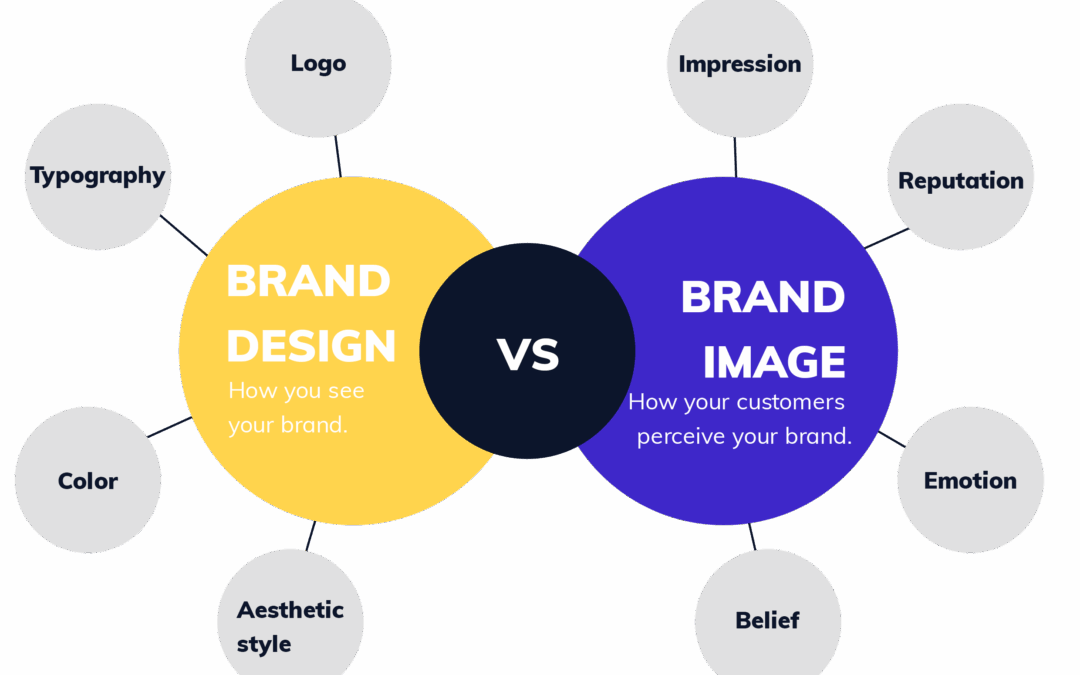
Branding includes elements such as brand positioning, values, tone of voice, messaging, customer experience, and visual consistency. It defines why a business exists, who it serves, and how it wants to be perceived.
Visual components—such as color palettes, typography, imagery style, and layout systems—are part of branding, but branding itself goes far beyond visuals.
How Logo Design Fits Within Branding
Logo design is one component of branding, not a replacement for it.
Branding sets the direction and strategy. The logo is then designed to reflect that strategy visually. When branding is clear, the logo feels intentional and aligned. When branding is missing, logos often look generic, inconsistent, or disconnected from the business’s goals.
In other words, branding provides the context; logo design provides the symbol.
Key Differences Between Logo Design and Branding
Logo design focuses on a single visual element. Branding focuses on the entire system that shapes perception and experience.
A logo identifies a business. Branding communicates meaning, personality, and value.
Logo design can exist on its own, but branding requires consistency across multiple touchpoints—websites, social media, marketing campaigns, customer interactions, and internal communications.
Why Businesses Often Confuse the Two
Many businesses start with a logo because it feels tangible and immediate. Branding, on the other hand, requires deeper thinking and long-term planning.
This often leads to situations where a company has a logo but lacks clarity in messaging, visual consistency, or positioning. As a result, marketing efforts feel fragmented and recognition remains weak.
Which One Should Come First?
Branding should always come first.
Before designing a logo, businesses need clarity on their audience, values, positioning, and personality. This strategic foundation ensures that the logo is not just visually appealing but also meaningful and effective.
A logo designed without branding may look good, but it rarely supports long-term growth.
Why the Difference Matters for Business Growth
Understanding the distinction between logo design and branding helps businesses allocate resources wisely. Instead of repeatedly redesigning logos, companies can focus on building a cohesive identity that scales with growth.
Strong branding creates trust, consistency, and recognition. A well-designed logo then reinforces that system rather than carrying the entire brand alone.
Final Thoughts
Logo design and branding are connected, but they serve different roles. A logo is a visual identifier. Branding is the strategic framework that gives that identifier meaning.
Businesses that invest in branding before logo design build stronger foundations—and create visuals that truly represent who they are and where they are going.